
Agricultural Machinery Emergency Switch to China-Europe Rail Import
Published on June 20, 2025

Project Background
A domestic client urgently needed to import a batch of agricultural machinery from Europe. Because the equipment was highly seasonal (the spring plowing / autumn harvest window), the original ocean freight plan could not meet the client’s production schedule — the long ocean voyage, combined with port handling at both ends, meant the estimated time of arrival would miss the busy farming season and the equipment could not be put into operation on time. The client urgently needed an alternative that was faster than ocean freight and more cost-effective than air freight to ensure the equipment was delivered within the required timeframe.
Solution
Targeting the inadequate transit time of ocean freight, we urgently launched a China-Europe railway import plan with comprehensive coordination across booking, container loading, documentation and clearance:
Emergency Mode Switch: We immediately contacted China-Europe railway operators and major line carriers (such as Yu’xin’ou, Zheng’ou, Rong’ou) and, based on the equipment’s destination (North/Northeast China), selected the optimal origin station (Duisburg, Malaszewicze, Hamburg, etc.) and port of entry (Alashankou, Khorgos, Manzhouli, etc.). We locked the earliest available train to ensure the cargo could be dispatched as soon as possible.
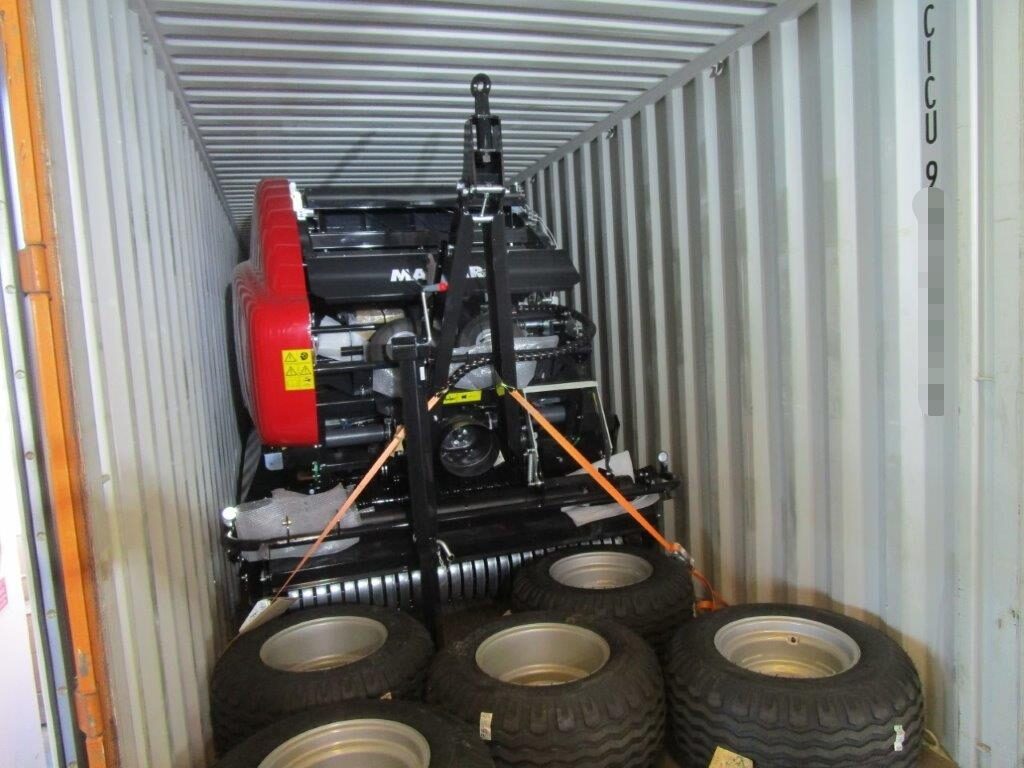
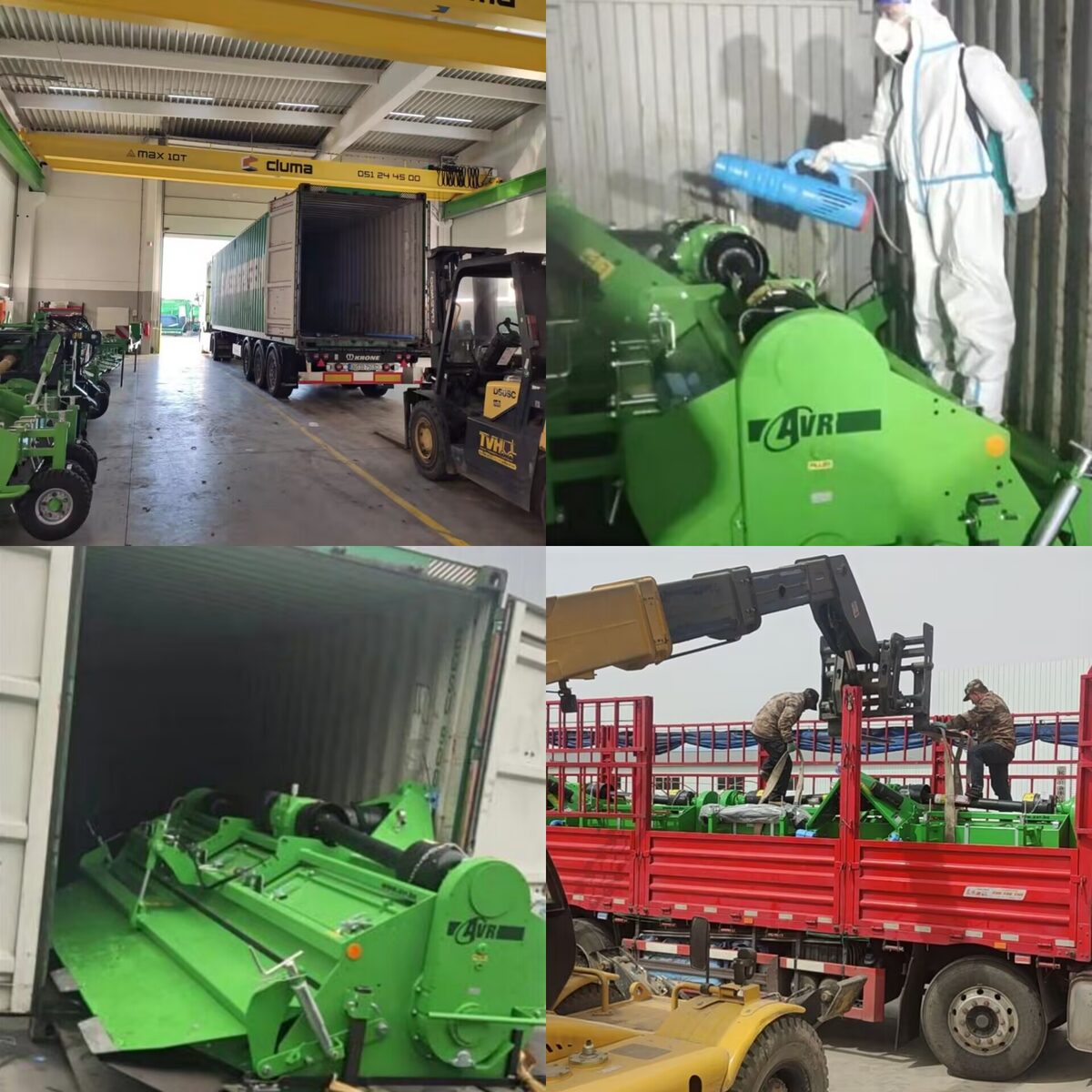
Strict Container Loading Control (Anti-imbalance): China-Europe railways impose strict container loading requirements on weight distribution (deviation in length/width directions must not exceed specified limits), otherwise the cargo cannot pass railway safety inspection and may be rolled or delayed. Based on the loading guidance parameters from the railway operator, we developed a detailed loading plan (equipment placement, center-of-gravity calculation, choice of securing materials, etc.) and issued written instructions requiring the overseas shipper to load strictly accordingly. After loading, the shipper was required to provide loading photos and weight distribution data, which we reviewed and confirmed before sealing the container for dispatch.
Dedicated Document Preparation: We communicated with the client in advance, assisting in collecting and reviewing all documents to ensure that product descriptions, HS codes, weights, piece counts and other information were fully consistent with the railway waybill and customs declaration data, avoiding any obstruction of the European export declaration or delays in the Chinese import clearance due to document discrepancies.
End-to-End Tracking and Clearance Coordination: We tracked the train’s running status (transit stations, gauge-change times, estimated arrival date at the port of entry) in real time and submitted import data to Chinese customs in advance. Upon the train’s arrival at the port of entry, we completed transit and import customs formalities at the earliest opportunity and coordinated with port customs for rapid release.
Project Results
- Transit time significantly reduced: The end-to-end transit time of the China-Europe railway was about 20 days (depending on the origin station and port of entry), less than half of the comparable ocean freight solution (about 45 days), buying ample time for subsequent clearance and delivery.
- Delivery ahead of schedule: The cargo was ultimately warehoused 10 days ahead of the client’s required delivery date, allowing the client to comfortably arrange machinery commissioning and field operations and perfectly matching the busy farming season.
- Load imbalance risk avoided: Through strict front-end loading guidance and a review mechanism, the cargo passed railway safety inspection smoothly, with no rolling, re-stuffing, or delayed dispatch caused by load imbalance.
- Smooth and efficient clearance: Thanks to thorough document preparation and accurate declaration data, both the European export declaration and the Chinese import clearance passed on the first attempt, with no inspection exceptions or rejections.
- Controllable cost: Railway freight costs fall between ocean and air freight; while delivering a significant speedup, it also saved the client the high cost of air freight, offering outstanding value for money.